
C-TAC Instructor Development
Building Skill Before Stress
Inside the July 2026 C-TAC Instructor Camp in Woodstock, Georgia.
The Civilian Tactical Training Association completed its second instructor camp of 2026 on July 24 through 26 at the Atlanta Martial Arts Center in Woodstock, Georgia.
We had an excellent turnout from our current instructor cadre, along with several new visitors who joined us for the weekend. Over three days, the team explored Dog Boxing, Vehicle-Centric Defensive Tactics, scenario development, intelligent drill design, and weapons-based environmental training.
Although the subjects changed from day to day, the entire camp revolved around one central principle.
Stress reinforces what is already present.
If a student has developed sound mechanics, appropriate responses, and good habits, pressure can help validate those skills. If those foundations are missing, poorly designed stress training may reinforce reactions the student does not want.
That is why C-TAC instructors do not simply make training harder, faster, or more chaotic. We first decide what we want the student to learn. Then we build the drills, training environments, and scenarios needed to develop and validate that response intelligently.
Three Days of Instructor Development
From Mechanics to Environmental Training
Each day built on the previous one. The team moved from out-of-position mechanics into scenario construction, drill design, and controlled weapons training.
01
Friday
Dog Boxing and out-of-position fighting provided the foundation for Vehicle-Centric Defensive Tactics from the Phase Two student curriculum.
02
Saturday
The team studied the C-TAC scenario-building process, then applied it around vehicles, walls, corners, curbs, and sidewalks.
03
Sunday
The weapons section became a training environment where participants could move, adapt, and validate skills through controlled resistance.
Friday
Dog Boxing and Out-of-Position Fighting
Friday began with a deep dive into the C-TAC Dog Boxing program.
Dog Boxing is our study of out-of-position fighting. Many training systems begin from an ideal stance on an open floor, with enough room to move and a clear view of the problem. Real-world environments rarely offer those advantages.
A person may be seated, kneeling, turning, recovering, pressed against a wall, caught near a vehicle, or forced into another compromised position. Dog Boxing teaches the practitioner to remain functional when posture, balance, space, and freedom of movement have been disrupted.
The objective is not always to fight your way back to a preferred position before responding. The practitioner learns to understand and use the position that already exists.
Remain functional when the environment takes away your perfect position.
This made Dog Boxing an important foundation for our study of Vehicle-Centric Defensive Tactics from the Phase Two student curriculum. Vehicles create unusual angles, restricted movement, confined spaces, hard surfaces, and limited visibility. The environment changes how the body must organize itself and how previously learned skills must be applied.
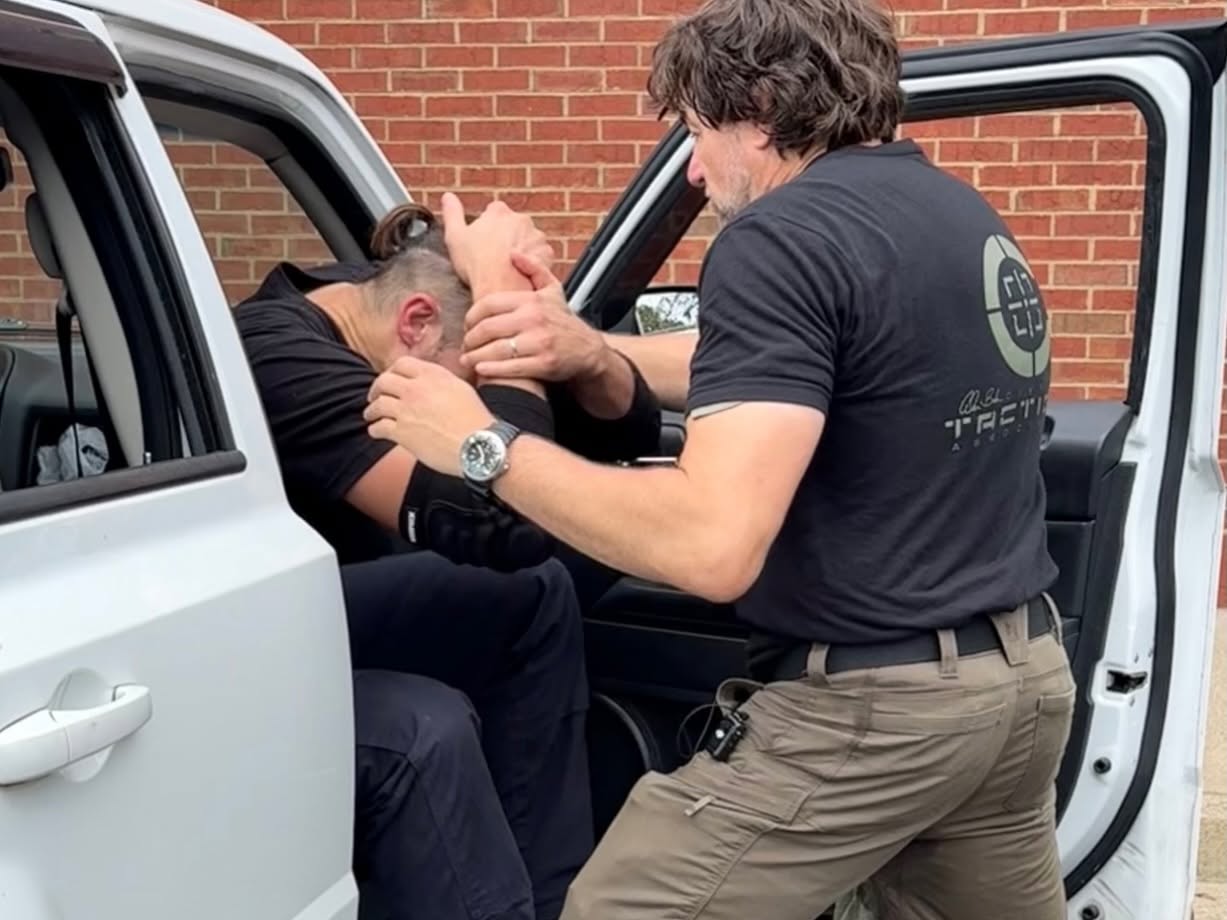
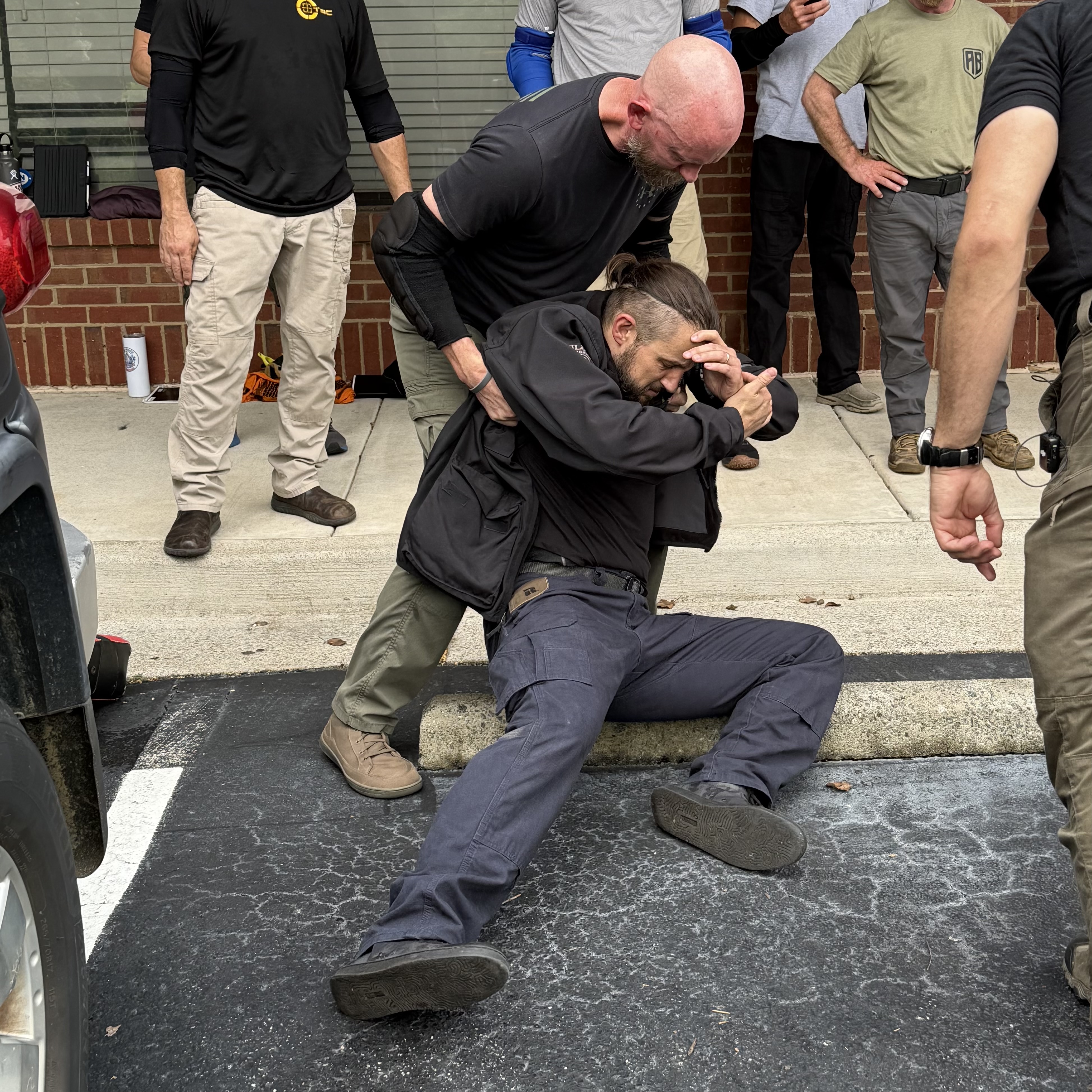
Real environments do not provide ideal stance, open space, or perfect timing.
Saturday
Building Scenarios With Purpose
On Saturday, we shifted our focus to the C-TAC scenario-building process.
Scenario training is popular throughout the defensive-tactics industry because it is intense, exciting, and visually impressive. However, intensity alone does not make a scenario educational.
A scenario is not successful simply because the student becomes exhausted, overwhelmed, or frightened. If the experience is not carefully designed, the student may rehearse poor mechanics, inappropriate levels of force, panic-driven decisions, or habits that create additional danger.
As discussed in Stress Is a Programmer: Scenario Training, elevated stress can make an experience especially influential. The nervous system may retain whatever the student repeatedly does under that pressure, whether the response is desirable or not.
C-TAC therefore follows a deliberate scenario-design methodology. We identify the intended learning objective, establish the required skills, and control the variables before increasing pressure. The scenario must serve the student’s development rather than becoming a test of how much chaos the instructor can create.
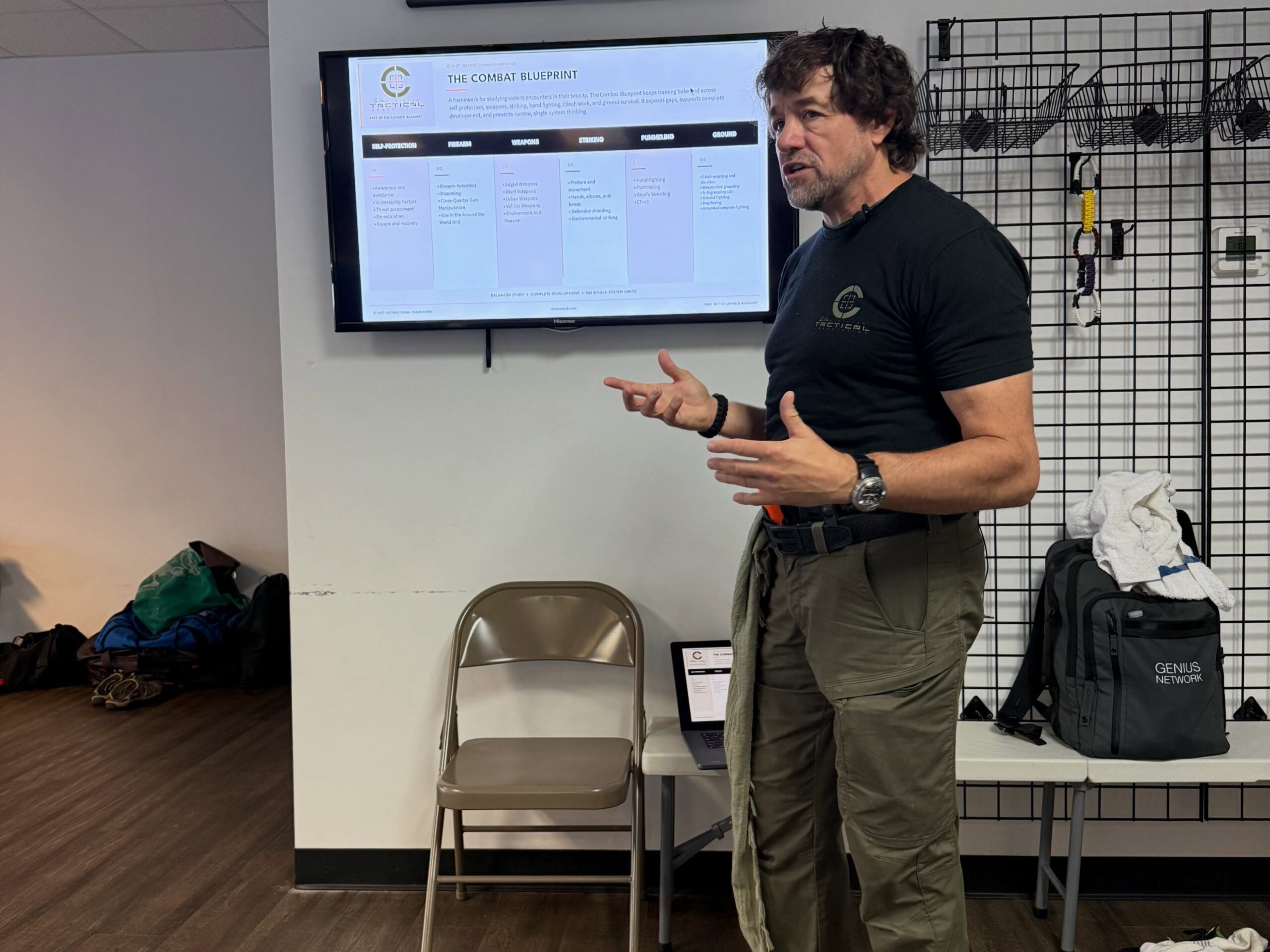
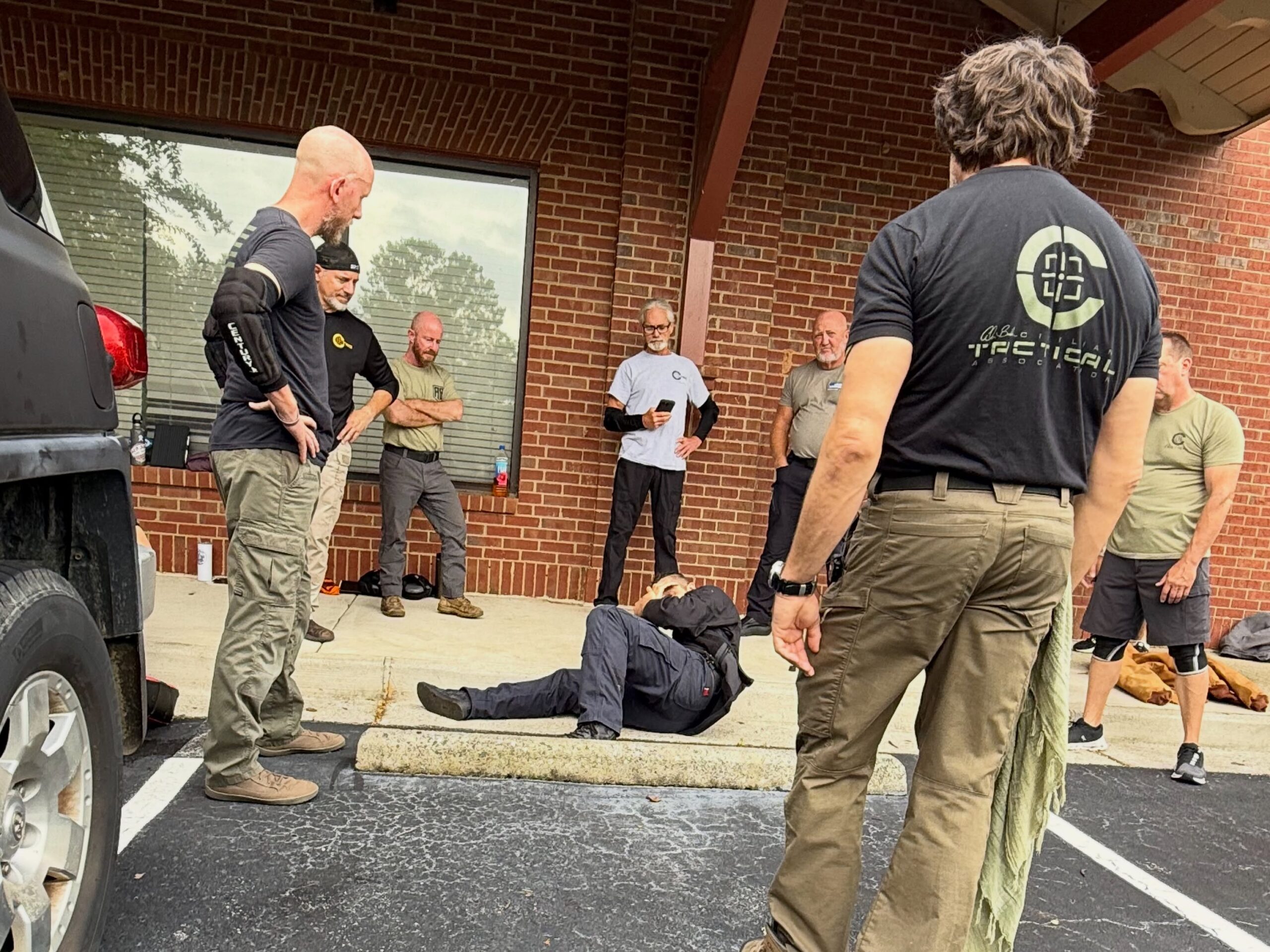
After working through this process, the team moved outside and applied it in the parking lot. Participants worked around vehicles, walls, corners, curbs, sidewalks, and other structures commonly found in everyday environments.
These features were not treated as background scenery. Each one affected distance, movement, balance, visibility, and available options. The environment became part of the problem and part of the lesson.
Programming the Response
Drilling Is Not Pretending
Once the team began working through scenarios, we turned our attention to intelligent drill design.
Drilling has developed a poor reputation in some training circles. A common criticism is that a drill does not look like a fight. That criticism misunderstands the purpose of drilling.
A drill is not supposed to reproduce an entire violent encounter. It is a tool for isolating and improving a specific component of performance.
A coach might use a drill to correct posture, positioning, timing, movement, tool placement, or another small but important habit. By reducing the number of variables, the student can focus on improving the selected response before attempting to perform it under greater resistance and stress.
There is also an important distinction between judgment and physical reaction. Some problems require the student to observe, interpret, and make a decision. Other problems occur so quickly that the body must respond before there is time for deliberate thought.
This is why proper physical responses must be developed before the student enters a high-stress environment. Intelligent drilling helps install those responses. Progressive environmental training then gives the student an opportunity to access and validate them under pressure.
Going harder is not automatically the same as getting better.
- Determine the response or capability being developed.
- Build the required mechanics and habits.
- Use focused drills to improve weak areas.
- Introduce timing, movement, resistance, and decision-making progressively.
- Validate the skill in an intelligently designed training environment.
- Use scenarios when the student has something meaningful to validate.
Sunday
Building a Weapons Environment
Sunday focused on the weapons section of the C-TAC Combat Blueprint. The team worked on developing a functional knife-training environment that allowed participants to move, experiment, adapt, and apply their skills against controlled resistance.
By the end of the session, everyone was moving dynamically and participating in controlled sparring.
This reflects another important C-TAC principle: every major area of the Combat Blueprint should have an environment in which its skills can be expressed and validated.
Brazilian Jiu-Jitsu has rolling. Thai Boxing has sparring. Wrestling has live grappling. These environments allow practitioners to work against movement, timing, resistance, and the decisions of another person.
Weapons training requires the same kind of thoughtful development. Students need more than isolated techniques. They need a controlled environment where skills can be explored honestly without abandoning safety, structure, or educational purpose.
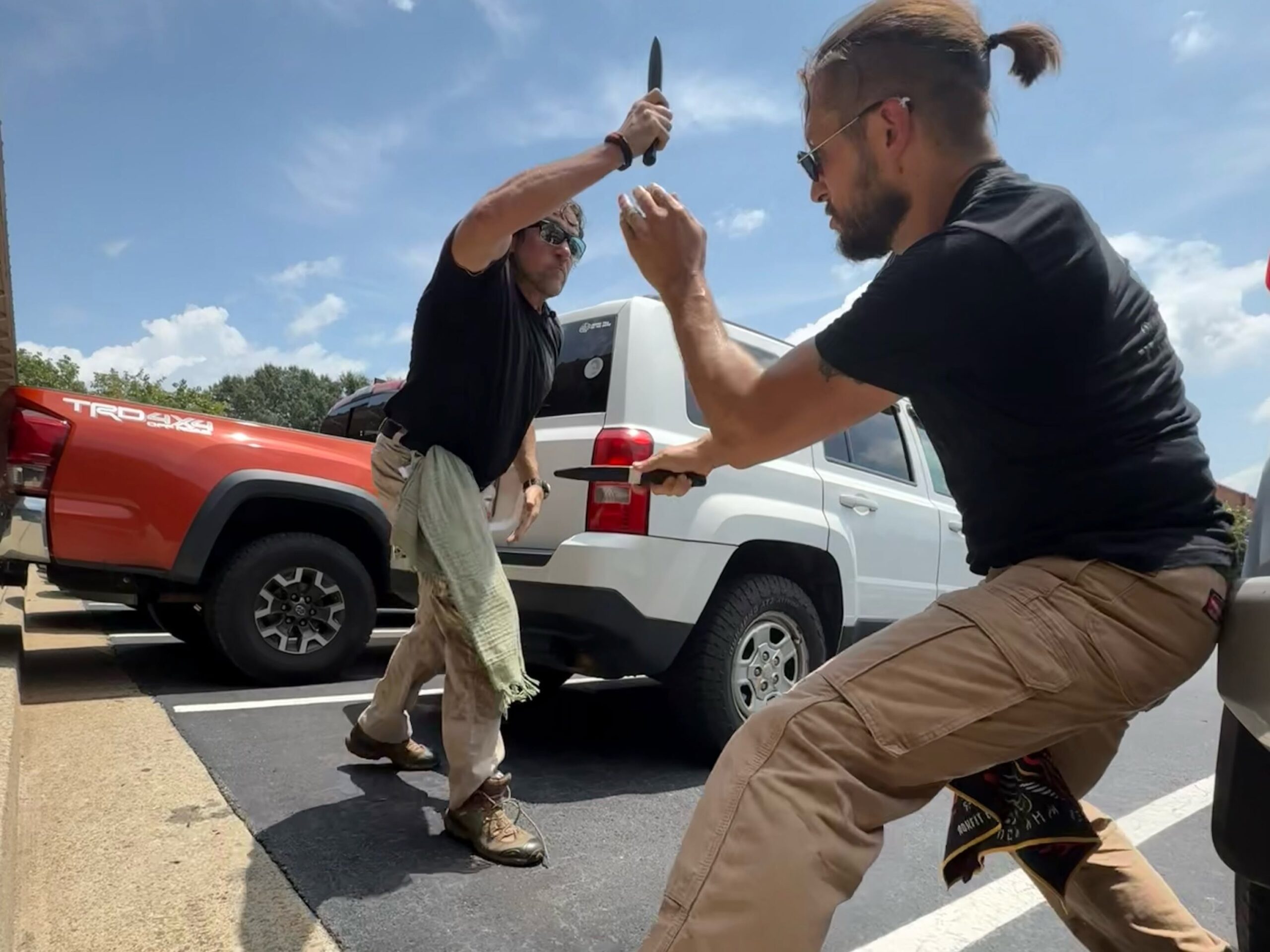
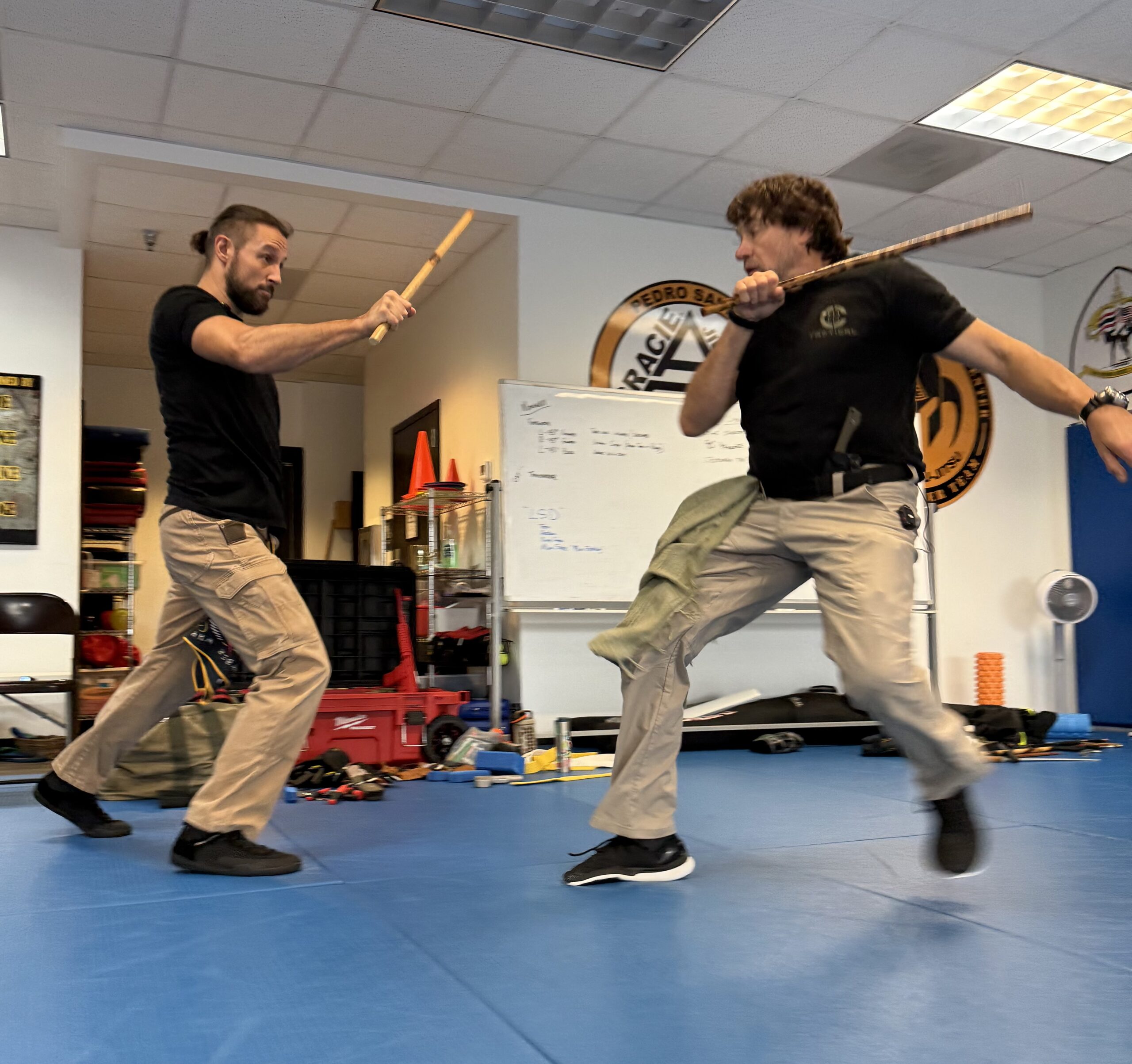
An environment is not simply a scenario with maximum intensity. It is a training laboratory. The pressure can be adjusted, specific problems can be isolated, and instructors can observe which skills appear naturally and which require additional development.
The Instructor’s Responsibility
Design the Learning Process
The weekend reinforced an essential distinction between being a practitioner and being an instructor.
A practitioner learns how to perform. An instructor must also understand how to design the process that helps another person learn.
That requires more than collecting techniques or creating stressful experiences. It requires understanding how habits are formed, how pressure affects performance, how drills solve specific problems, and how training environments can be scaled safely.
C-TAC instructors are expected to think carefully about what each exercise is teaching. Every repetition is potentially building a future response. Every scenario is potentially reinforcing a pattern.
- What are we trying to develop?
- What behavior are we rewarding?
- What habits might this drill unintentionally reinforce?
- Is the student prepared for this level of pressure?
- Does the exercise support sound judgment and an appropriate response?
- Will the desired skill appear when the environment becomes dynamic?
Continuing the Work
Responsible Capability Is Built Over Time
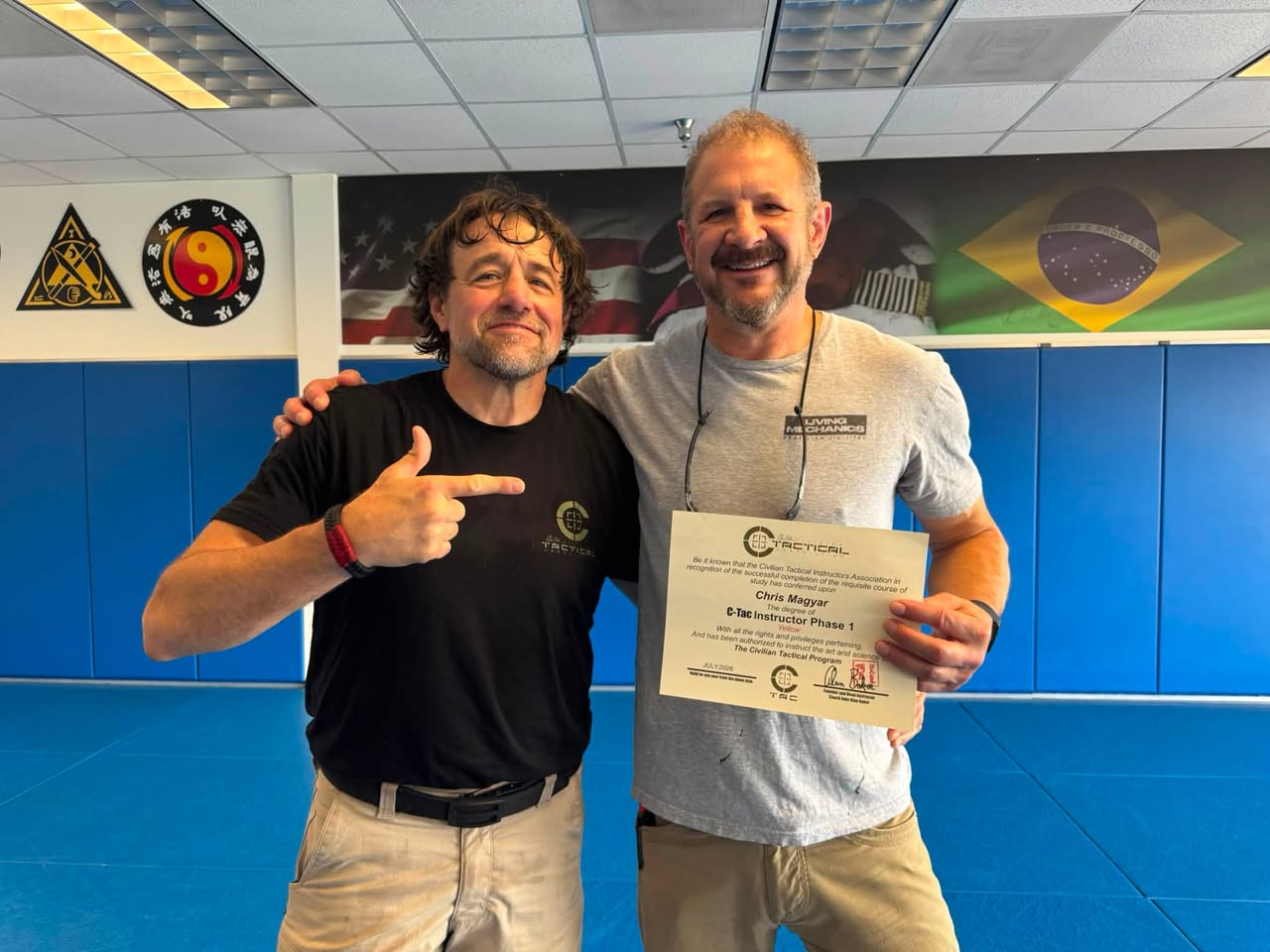
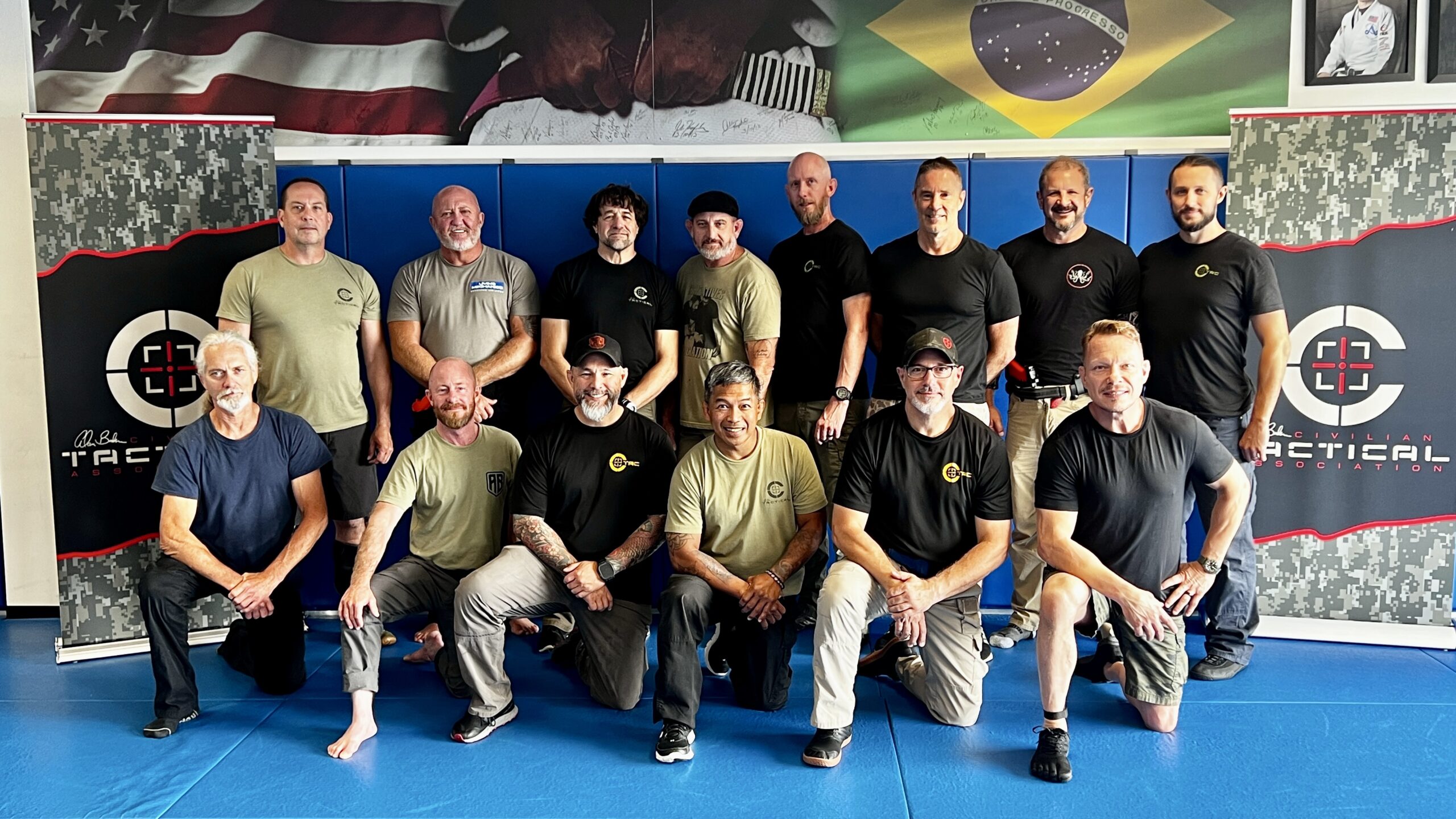
Our second instructor camp of 2026 was an excellent weekend of training, experimentation, and professional development. It was encouraging to see our established cadre working alongside new visitors and applying the C-TAC methodology across multiple environments.
From Dog Boxing and vehicle-based problems to scenario construction, drill design, and weapons training, every session returned to the same objective: building responsible capability.
Real skill is not created by stress alone.
It is built through intelligent design, correct repetition, progressive resistance, honest validation, and continued immersion.
We are proud of the work this team completed in Woodstock, and we look forward to continuing the development of the C-TAC instructor cadre.
Capability Is Built Through Immersion, Not Exposure
C-TAC is a long-term training culture built around responsible pressure, shared standards, mentorship, and continued refinement.